
The journey of a medicine from the laboratory bench to a patient’s bedside is governed by a highly structured regulatory framework. Across the globe, drug regulatory authorities ensure that pharmaceutical products are safe, effective, and of high quality before they are made available to the public. Understanding regulatory approval processes such as IND, NDA, and ANDA, along with the roles of major global agencies, is essential for pharmacy students and professionals navigating modern drug development.
Download UNIT 2 – Regulatory Approval Process Notes
Get simplified revision notes for this unit:
⬇️
Download Unit 2 Notes PDF

Regulatory Approval Process in Pharmaceutical Development
Investigational New Drug (IND): The First Regulatory Gateway
The Investigational New Drug (IND) application represents the formal request to begin clinical testing of a new drug in humans. Before filing an IND, extensive preclinical studies are conducted to evaluate pharmacological activity, toxicity, and safety profiles using in vitro and animal models. These data form the scientific foundation of the IND submission.
An IND typically includes results of preclinical studies, detailed manufacturing information, and a proposed clinical trial protocol. Regulatory authorities review whether the investigational product can be safely administered to humans and whether the clinical trial design adequately protects participants. In the United States, the review period for an IND is generally 30 days, after which clinical trials may proceed if no clinical hold is imposed. Similar timelines are followed by other global regulators, although procedural requirements may vary.
New Drug Application (NDA): Proving Safety and Efficacy
Once clinical development is successfully completed, the sponsor submits a New Drug Application (NDA) to seek marketing approval. The NDA is a comprehensive dossier containing data from Phase I, II, and III clinical trials, demonstrating the drug’s safety, efficacy, dosage, labeling, and manufacturing controls.
The review of an NDA is a rigorous and time-intensive process. Regulatory agencies conduct scientific assessments, inspect manufacturing facilities, and evaluate risk–benefit profiles. In the U.S., standard NDA review timelines are approximately 10 months, while priority reviews may be completed in 6 months for drugs addressing unmet medical needs. Approval of an NDA allows the innovator company to market the drug, often with a period of data exclusivity.
Abbreviated New Drug Application (ANDA): Pathway for Generic Medicines
The Abbreviated New Drug Application (ANDA) provides a regulatory route for generic drug approval. Unlike NDAs, ANDAs do not require extensive clinical efficacy trials. Instead, the applicant must demonstrate bioequivalence to a previously approved reference listed drug.
An ANDA submission focuses on pharmaceutical equivalence, bioavailability, and manufacturing quality. The regulatory review ensures that the generic product performs in the same manner as the innovator drug. Approval timelines for ANDAs vary but typically range from 12 to 24 months, depending on review complexity and regulatory workload. The ANDA pathway plays a crucial role in reducing healthcare costs by promoting affordable medicines.
Changes to Approved NDA / ANDA Applications
After approval, pharmaceutical products often undergo modifications due to manufacturing improvements, labeling updates, or safety findings. Regulatory authorities require sponsors to submit post-approval change applications or supplements. These may include major changes (requiring prior approval), moderate changes (notified with supporting data), or minor changes (documented in annual reports).
Effective management of post-approval changes ensures continued product quality, regulatory compliance, and patient safety throughout the product lifecycle.
Global Regulatory Authorities and Agencies
India: Central Drugs Standard Control Organization (CDSCO)
India’s primary drug regulatory authority is the Central Drugs Standard Control Organization (CDSCO), operating under the Ministry of Health and Family Welfare. CDSCO oversees approval of new drugs, clinical trials, vaccines, and medical devices. Applications such as clinical trial permissions, new drug approvals, and import/export licenses are evaluated through a centralized structure led by the Drugs Controller General of India (DCGI).
United States: Food and Drug Administration (FDA)
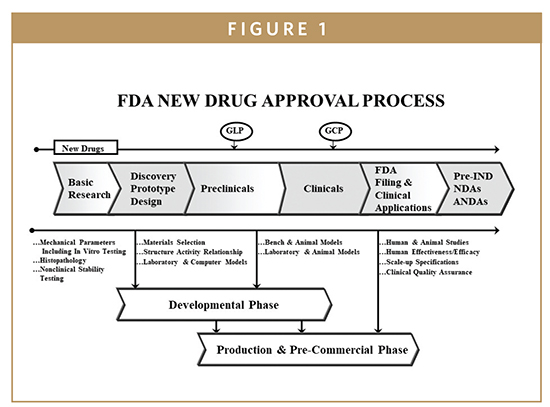
The Food and Drug Administration (FDA) is one of the most influential regulatory bodies globally. Through its Center for Drug Evaluation and Research (CDER), the FDA regulates INDs, NDAs, and ANDAs. The agency is known for its stringent scientific review standards and transparent regulatory guidance, which often influence policies in other countries.
European Union: European Medicines Agency (EMA)
In the European Union, centralized drug approvals are managed by the European Medicines Agency (EMA). The EMA evaluates marketing authorization applications valid across all EU member states. Its Committee for Medicinal Products for Human Use (CHMP) conducts scientific assessments, ensuring harmonized regulation within the region.
Australia: Therapeutic Goods Administration (TGA)
Australia’s pharmaceutical regulatory framework is administered by the Therapeutic Goods Administration (TGA). The TGA evaluates medicines for quality, safety, and efficacy and maintains the Australian Register of Therapeutic Goods (ARTG). Applications may involve full evaluations or abridged pathways for well-established medicines.
Japan: Pharmaceuticals and Medical Devices Agency (PMDA)
Japan’s regulatory oversight is shared between the Ministry of Health, Labour and Welfare (MHLW) and the Pharmaceuticals and Medical Devices Agency (PMDA). The PMDA conducts scientific reviews and inspections, while final approvals are granted by the MHLW. Japan places strong emphasis on post-marketing surveillance and risk management.
Canada: Health Canada
In Canada, drug regulation is handled by Health Canada, specifically through the Health Products and Food Branch (HPFB). Health Canada reviews clinical trial applications, new drug submissions, and abbreviated submissions for generics, ensuring compliance with national health standards.